
Date: 2026-03-03 Page is: DBtxt003.php txt00029390
CANADA
SAAB GRIPPEN PLUS RR POWER ... Fighter Aircraft
Did Canada Make the Right Choice with Its New Fighter Jets?
SAAB GRIPPEN PLUS RR POWER ... Fighter Aircraft
Did Canada Make the Right Choice with Its New Fighter Jets?
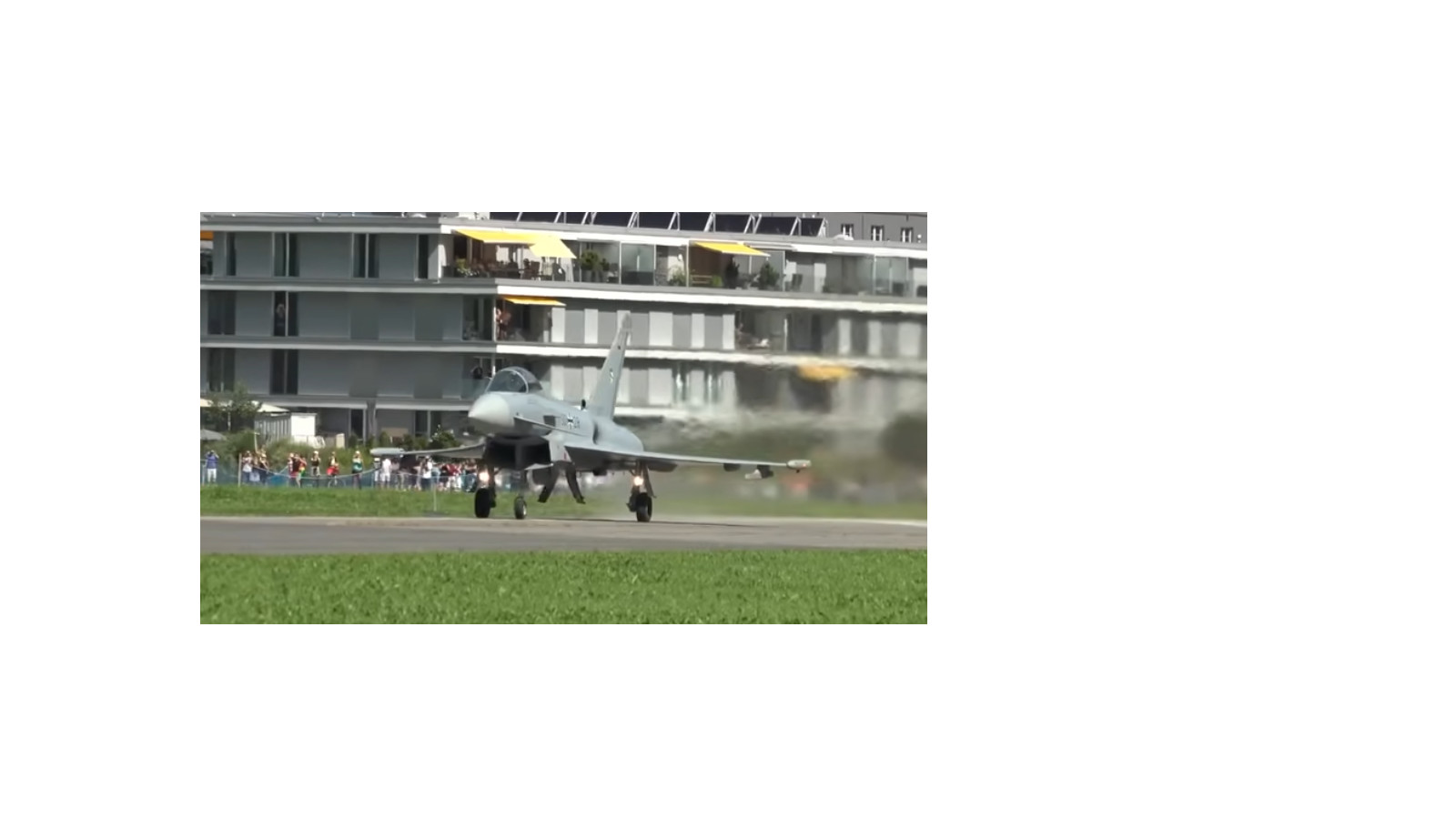
Original article: https://www.youtube.com/watch?v=ov4VXsuVlSg
- ⭐️ What Canada gains — and what it may have given up
- ⭐️ Why Canada urgently needed a new fighter aircraft
- ⭐️ Comparisons with other potential options
- ⭐️ How this decision impacts NATO, NORAD, and future air power
- This video is made for educational, informational, and documentary purposes.
- Fair use is permitted for purposes such as criticism, comment, news reporting, teaching, scholarship, and research.
Peter Burgess COMMENTARY
Peter Burgess
Transcript
- 0:00
- 41, just stay with me. They went to 36
- 10 for takeoff runway 35 left.
- Could Canada's new fighter jet deal with
- Sweden's Grieen future of its air
- defense? For years, Canada relied on
- foreign technology, approvals, and
- partnerships.
- That was King Carl Gustaf at Rita Hall
- this morning emphasizing the partnership
- between Canada and Sweden,
- limiting control over its own military
- systems. Now, the country is taking a
- bold step toward full independence,
- building jets on home soil, and gaining
- authority over upgrades, software, and
- even potential exports. This move
- challenges long-standing norms in
- Western defense, and has caught the
- attention of experts around the world.
- It could reshape how Canada trains
- pilots, develops its aerospace industry,
- and strengthens its role in
- international alliances. Keep watching
- as we reveal why this decision could be
- 1:00
- one of the most important in Canada's
- defense history. For many years,
- Canada's defense strategy followed a
- cautious pattern. decisions were shaped
- by global alliances and by reliance on
- technology designed and built outside
- the country. Most discussions focused on
- what was allowed, what was available and
- what partners were willing to approve.
- That approach has now changed. The focus
- is no longer on asking for approval. It
- is about full technological
- independence. This marks a turning point
- that will affect Canada's economy, its
- defense structure, and how the country
- sees its own role in the world for years
- ahead. This period will be remembered as
- the moment Canada went beyond statements
- and made a decisive move. The quiet
- construction of a new fighter jet
- manufacturing facility on Canadian soil
- has altered the balance of air power in
- North America. More importantly, it
- places Canada in the role of a builder
- and developer, not just a buyer. The
- facility is expected to support a wider
- 2:00
- aerospace network and has triggered one
- of the most unexpected yet widely
- supported changes in Canada's defense
- partnerships. At the center of this
- shift is Sweden's SA. For decades, SAR
- has stood as a serious alternative to US
- dominance in Western air power. Now, the
- company has made a move that defense
- experts are already calling the smartest
- military partnership Canada has entered
- into since the Second World War. For
- Canadians, this is not simply a
- commercial agreement. It reflects a
- long-standing goal. Control over
- national air defense, domestic industry,
- and future technology. What is happening
- now was not widely expected by the
- global defense community, especially in
- the United States. But it addresses a
- need Canada has faced for a long time.
- For months, speculation suggested that
- Canada was reconsidering its fighter jet
- plans. The country had spent years
- managing political pressure, balancing
- US influence, meeting NATO requirements,
- and operating within a defense industry
- heavily shaped by American systems. That
- 3:00
- uncertainty is now gone. Canada has
- chosen a clear and locally grounded
- path. The decision to create a national
- fighter production hub supported by SA's
- established supply networks and its
- independent defense model goes far
- beyond replacing aging aircraft. It
- sends a clear geopolitical message.
- Canada is stepping away from full
- reliance on foreign military hardware
- and moving toward a system where it
- controls its own defense technology.
- This shift allows the country to protect
- its territory and meet international
- obligations using systems it can manage,
- update and sustain on its own terms. The
- partnership with SA sits at the center
- of this change. It directly challenges
- decades of US dominance in Western
- defense manufacturing. To understand why
- this matters, it helps to look at how
- the fighter jet market has evolved. The
- F-35 was once promoted as the standard
- fifth generation aircraft for NATO
- allies. Over time, however, criticism
- has grown. Rising costs, complex
- 4:02
- maintenance requirements, and recurring
- software issues have raised concerns for
- many operators. During this period,
- Sweden's grip followed a different path.
- It gained attention as a practical
- option for countries that value control
- over long-term dependency agreements.
- Canada watched these developments
- closely and reached an important
- conclusion. If the goal is real
- autonomy, the ability to repair,
- upgrade, and modify aircraft without
- constant external approval, then the
- Gripen offers something few others do.
- It provides long-term operational
- control. This understanding shared
- across political and military leadership
- set the stage for the decision that
- followed. SAR did not approach Canada
- with a standard sales offer. Instead, it
- presented terms that US defense
- suppliers do not provide. These included
- full domestic assembly, complete
- technology transfer, and full Canadian
- authority over the aircraft's entire
- service life. That authority covers all
- major areas. software access, mission
- 5:02
- systems, weapons integration, and even
- future export options if Canada chooses
- to pursue them. In today's defense
- industry, this level of control is rare.
- Many NATO members remain dependent on US
- approval and support to maintain or
- update their aircraft fleets. The SAR
- agreement allows Canada to avoid that
- situation entirely. Defense analysts
- agree that this was SAR's strongest
- advantage. By offering full
- independence, it delivered something the
- US system is not structured to allow.
- This is where long-standing assumptions
- in Washington were challenged. The
- prevailing belief was that no major
- Western ally, especially a G7 nation
- like Canada, would step outside the US
- controlled defense framework. Canada has
- now done exactly that. SAR's proposal
- matched Ottawa's long-term objective to
- build a stable domestic defense economy
- that does not rely on a single foreign
- supplers's decisions by committing not
- only to aircraft delivery but also to a
- complete fighter production system based
- 6:00
- in Canada. SAR gave the government a
- direct path to self-sufficiency behind
- closed doors. Defense insiders have
- confirmed that this move has caused
- dissatisfaction within the Pentagon. The
- reason is straightforward. The
- partnership weakens one of the US
- defense establishment's strongest
- advantages, control over supply chains.
- When Canada builds its own fighter jets
- on home soil using an open architecture
- approach, it cuts off long-standing
- dependency chains. It no longer has to
- rely on complex maintenance hubs in the
- United States. It no longer depends on
- software updates that must be approved
- by the US government. Most importantly,
- it no longer needs American approval to
- add Canadian-made missiles or advanced
- sensor systems. In military terms, this
- means operational freedom. In political
- terms, it translates directly into
- national authority. For the first time
- in decades, Canada will have the
- technical independence to say, 'This is
- our aircraft. These are our upgrades.
- These are decisions made in Ottawa.' The
- 7:01
- scale of this independence is
- significant. The planned factory backed
- by major domestic investment and
- advanced foreign technology is expected
- to include some of the most capable
- manufacturing systems in the world.
- These include advanced composite
- production lines, next generation
- avionics assembly, complex systems
- integration units, and dedicated engine
- integration sections. This work will be
- carried out through close cooperation
- between experienced SA technicians and
- Canada's own aerospace engineers
- supported by a renewed network of local
- high-tech suppliers. This project is not
- just about putting up another industrial
- facility. It marks the start of a new
- defense manufacturing identity for
- Canada. Major cities with established
- aerospace foundations, including
- Montreal's industrial base, Toronto's
- technology sector, and Winnipeg's
- specialized expertise, are all
- positioned to benefit from the economic
- and technical spillover. At the center
- 8:00
- of the facility will be the final
- assembly line, which serves as the
- operational core of the project. This
- modern system is built for accuracy and
- efficiency. Each aircraft will move
- through defined stages that include
- assembly, testing, calibration, and real
- environment simulation, ending with a
- fully Canadian-built rollout. SAB's plan
- for Canada closely follows the model it
- used successfully in Brazil. In that
- case, the Gripen program did more than
- deliver aircraft. It created thousands
- of skilled jobs, strengthened local
- engineering and research programs, and
- reshaped Brazil's defense industry in a
- short period of time. Canada enters this
- partnership with greater financial
- resources, a stronger industrial base,
- and a larger aerospace workforce. As a
- result, the long-term gains are expected
- to be even greater. This factory is not
- limited to meeting current military
- needs. It will also train and develop
- future engineers, specialized software
- developers, and defense planners who
- 9:00
- will guide Canada's military and
- technical direction for decades. This
- transfer of technical knowledge and the
- development of a domestic workforce has
- drawn quiet concern inside the Pentagon.
- The United States has traditionally kept
- strict control over the intellectual
- property behind its fighter programs.
- That control forces allies to depend on
- American facilities for major upgrades
- and maintenance. SAB's commitment to
- giving Canada full access to source
- code, system architecture, and
- customization rights changes that
- balance. It removes a key point of
- influence that has existed for decades.
- Forced technical dependence. This is not
- a standard procurement deal. It
- represents a major shift in how defense
- manufacturing power is distributed
- globally. For the first time, a G7
- country has openly chosen to move away
- from near total reliance on the US
- defense system and partner instead with
- a Scandinavian firm that offers full
- national control. The effects of this
- decision will not stop at North America.
- 10:01
- They extend into NATO across Europe and
- into the Indoacific region. When a G7
- nation places technological independence
- ahead of long-standing dependency, it
- sends a clear message. Other countries,
- especially those facing rising costs and
- limits tied to older defense
- arrangements, are pushed to reconsider
- their own strategies. This is the
- Canadian approach taking shape. It is
- practical, technically advanced, and
- focused on self-sufficiency. By
- selecting SAR's Griffin instead of
- continuing full reliance on the F-35,
- Canada has opened a new path based on
- control and long-term capability. That
- decision also gives other nations the
- political space to consider similar
- moves. Europe already has strong
- confidence in SA's open architecture
- philosophy which emphasizes access and
- customization rather than locked
- systems. Brazil adopted this approach
- years ago and successfully folded the
- Griffin program into its national
- industry leading to renewed growth in
- 11:00
- its aerospace sector. Even India, a
- country whose defense ties with the
- United States have often been
- complicated by American export limits
- and technology controls, is now
- seriously re-examining the full proposal
- offered by Sweden. At the same time,
- NATO members such as the Czech Republic
- and Hungary have for years quietly
- spoken highly of the Grieen's
- flexibility in operations and its lower
- overall costs. Senior planners and
- decision makers inside the Pentagon are
- fully aware of what this trend means.
- They understand that if more nations,
- especially strong allies with large
- budgets and global influence, start
- following Canada's example, the United
- States risks losing far more than
- defense contracts. What is truly at
- stake is influence. For decades,
- Washington has held the ability to shape
- alliance training, steer aircraft
- choices, limit mission use, and control
- sensitive data sharing across Western
- militaries. That leverage weakens the
- 12:00
- moment countries gain the freedom to
- operate independently.
- Canada's new level of freedom sends a
- clear message. Strategic choices belong
- in national capitals, not abroad. There
- is also another part of this partnership
- that matters deeply to Canada's sense of
- capability and self-reliance. SAR's
- agreement gives Canada a direct path
- into future fighter development rather
- than leaving it as a passive customer.
- The race to shape the next era of air
- combat is already moving fast. Programs
- like Europe's FCAS, Britain's Tempest,
- and America's NGA are defining what
- comes next. Until now, Canada has
- largely been kept on the outside of
- these major efforts. That changes with
- this factory. Canada is no longer
- positioned only as a buyer waiting for
- finished products. It becomes an active
- participant in building and improving
- the next generation of air combat
- systems. Backed by SAR's engineering
- experience and open development
- approach, Canada enters a space that was
- previously limited to only the largest
- 13:00
- military powers. This shift
- significantly strengthens the country's
- technical capabilities and its role
- within collective defense. It also
- explains why officials in Washington are
- paying close attention. For decades, the
- United States has led and controlled
- much of the Western air power structure.
- SARB's move together with Ottawa's
- support challenges that long-standing
- structure. Instead of depending on one
- dominant supplier with closed systems, a
- new balance begins to form. Air power
- development becomes shared across
- multiple nations rather than controlled
- from a single center. In this
- environment, countries can work together
- more freely, build advanced systems at
- home, and maintain full authority over
- their own technology and security
- networks. From a military operations
- point of view, Canada's decision is
- smart and practical. From a long-term
- security perspective, it marks a major
- shift. From Washington's traditional
- viewpoint, it is a disruption, one that
- was neither expected nor stopped.
- 14:00
- Canada's defense overhaul is not
- theoretical or distant. It is happening
- now. A country once known for delays and
- caution in major defense choices has
- taken firm ownership of its future.
- Canada is building a strong aerospace
- base at home designed to serve its own
- interests for decades to come. This
- factory is not just a physical
- structure. It reflects innovation and
- independence. Most importantly, it
- stands as a clear commitment that Canada
- will no longer need outside permission
- to upgrade, deploy or protect its own
- airspace. When the first Canadian-built
- Grieen leaves the production line,
- designed, assembled, and secured under
- Canadian control, the message will be
- unmistakable. SAR did more than secure a
- deal. It changed how modern defense
- partnerships work. This goes far beyond
- a routine partnership or a standard
- purchase deal. It is a clear example of
- long-term strategic planning. And for
- the first time in many years, Canada,
- not long established Pentagon policy, is
- the side gaining the strongest position.
- 15:00
- This is a moment Canadians should take
- seriously. Years from now, when analysts
- and historians study how global air
- power shifted, they will point to one
- clear decision and one specific factory.
- They will say this was when Canada made
- a lasting change to how defense power is
- built and controlled. As Canada moves
- further into a period of military and
- technological independence, other
- nations are paying attention. There is
- growing awareness that something lasting
- has changed. SAB's carefully structured
- partnership achieved what many believed
- was politically and practically
- impossible. It transferred full control
- of key defense technology to Canada
- while also navigating around one of the
- most established defense systems in the
- world. This marks the start of a new
- chapter for Canada in defense and
- technology. It is not just about buying
- protection. It is about producing it
- domestically. It is not only about
- guarding borders. It is about building
- long-term economic stability alongside
- national security. This decision affects
- 16:01
- every Canadian. It strengthens job
- quality, advances technical skill across
- industries, and improves Canada's
- standing with global partners. The
- investments in Montreal, Toronto, and
- Winnipeg form the economic base of this
- shift. High-skll aerospace jobs are
- being created, helping keep Canadian
- engineers, designers, and researchers
- working at home on projects that matter.
- The transfer of technology lifts
- Canadian universities and research
- centers into a higher level of applied
- research. It supports future innovation
- beyond the Griffin program. Canada's
- ability to integrate domestically built
- weapons and sensors without outside
- approval means faster readiness and a
- defense setup designed specifically for
- Canada's geography, including Arctic
- operations.
- This level of independence is one of the
- most valuable legacies we can pass on.
- It means that when Canada takes a
- position internationally, it does so
- with its own technical strength behind
- it. Not just trust in allies. It places
- 17:01
- Canada not only as a dependable partner,
- but as a serious contributor to advanced
- defense development. This is a time to
- acknowledge the judgment shown by
- leaders who chose long-term national
- control over short-term convenience.
- Sometimes the most Canadian choice is to
- design, build, and maintain worldclass
- systems at home. There is still work
- ahead, but the base is now in place. The
- factory is taking shape. The technology
- transfer is active. Canada's future air
- capability is now controlled from within
- Canada. Building on this momentum, the
- next phase of Canada's defense direction
- will focus on turning capability into
- consistency.
- Creating a factory and transferring
- technology are only the first steps. The
- real measure of success will be how
- effectively Canada sustains, evolves,
- and protects this capability over time.
- Long-term planning will matter more than
- announcements, and steady execution will
- determine whether this independence
- delivers lasting value. One immediate
- 18:01
- outcome will be deeper coordination
- between military planners, industry
- leaders, and academic institutions.
- Canada's defense needs are unique,
- shaped by vast geography, extreme
- climates, and long coastlines. With full
- control over aircraft design and
- systems, those realities can now be
- addressed directly rather than adapted
- as afterthoughts. Cold weather
- performance, Arctic basing, long range
- patrol requirements, and rapid response
- across remote regions can be built into
- upgrades from the start. This also
- reshapes how Canada trains its pilots
- and ground crews. Training programs will
- no longer be limited by external rules
- or restricted simulators. Canadian
- instructors can develop scenarios based
- on real national defense needs using
- systems they fully understand and
- control. Maintenance crews will gain
- hands-on experience at every level, from
- basic servicing to advanced system
- updates, creating a depth of knowledge
- that has been missing for decades. The
- industrial impact will extend well
- 19:00
- beyond aerospace. Advanced manufacturing
- techniques developed for fighter
- production often find use in civilian
- sectors. Composite materials, precision
- machining, sensor integration, and
- secure software development all support
- growth in automotive, energy, space, and
- telecommunications industries. This
- cross-industry movement strengthens
- Canada's broader economy while reducing
- reliance on imported high-tech
- components. There is also a clear
- benefit for national decision-making.
- When defense systems are owned and
- managed domestically, political leaders
- are not forced to weigh security choices
- against foreign approval timelines.
- Canada can respond faster to crisis,
- participate in international missions
- with greater confidence, and set its own
- rules on deployment and upgrades. This
- flexibility supports both defense
- readiness and diplomatic credibility.
- Over time, Canada's role within
- alliances will also evolve. Rather than
- contributing primarily through manpower
- or funding, Canada can offer technology,
- 20:01
- manufacturing capacity, and system
- integration experience. This shifts the
- country from a supporting role to a
- contributing one, strengthening its
- voice in joint planning and cooperation.