
Date: 2026-03-03 Page is: DBtxt003.php txt00029366
CANADA
CANADIAN GRAIN EXPORT REORGANIZATION ... Conway Media
Canada’s Rail Network Is Undermining US Control Over Grain Exports | George Conway
CANADIAN GRAIN EXPORT REORGANIZATION ... Conway Media
Canada’s Rail Network Is Undermining US Control Over Grain Exports | George Conway
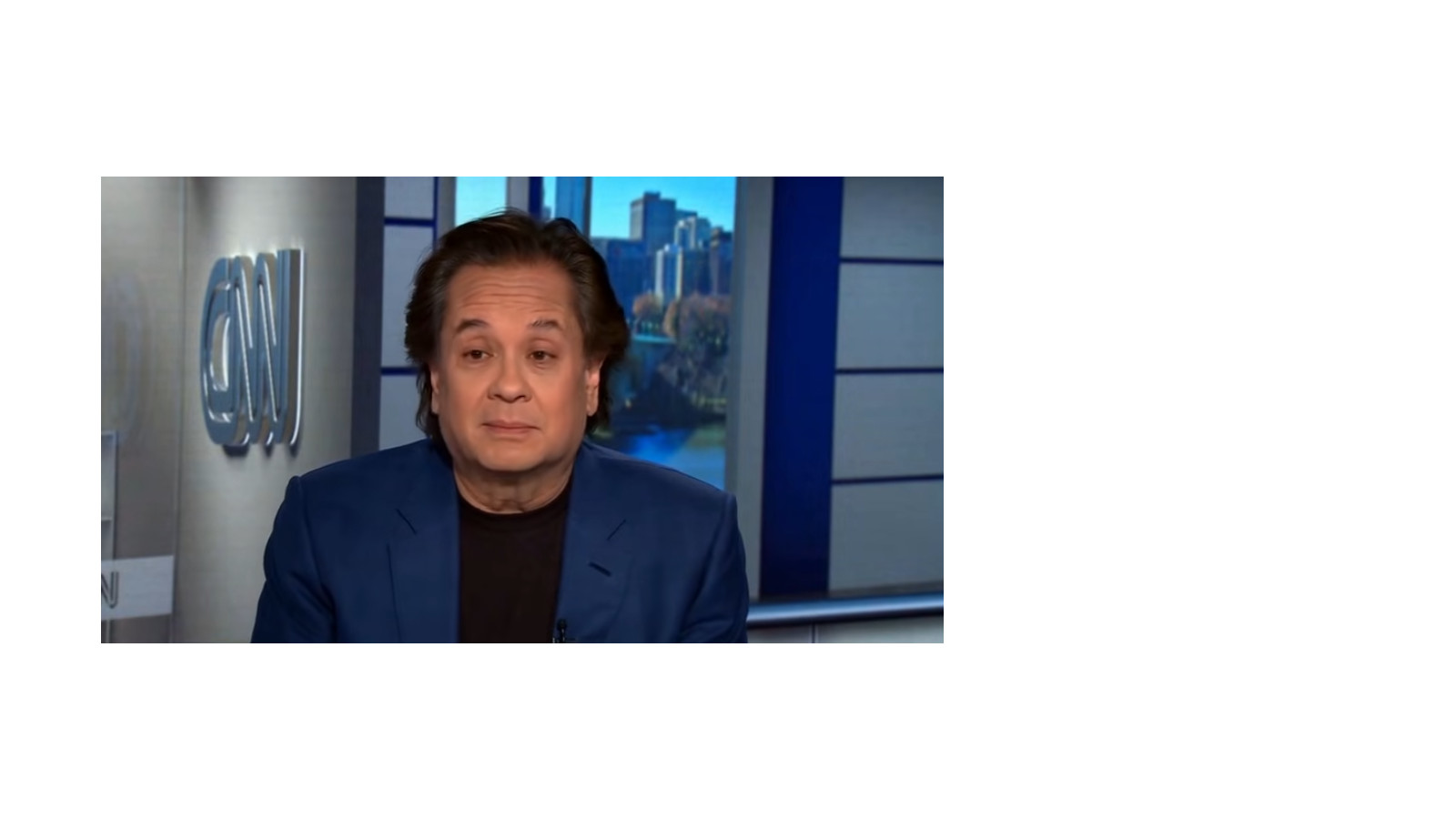
Original article: https://www.youtube.com/watch?v=Wflu5gogKeo
Conway Media
8.52K subscribers
Dec 24, 2025
Canada’s expanding rail routes are quietly reshaping the global grain trade and weakening a key source of US export leverage. What looks like a logistics upgrade is actually creating major strategic consequences for North American agriculture and global supply chains.
In this video, we explain how Canada’s rail infrastructure is changing trade flows, why this matters for US farmers and exporters, and how global buyers are responding to this shift in power.
How this was made
Altered or synthetic content
Sound or visuals were significantly edited or digitally generated. Learn more
Peter Burgess COMMENTARY
When I was a student, two of us delivered an automobile from a dealer in Montreal to another dealer in Edmonton, Alberta. We drove 24 hours a day for three days!
More than anything else I learned something of the huge scale of the geography of North America.
After delivering the car ... a Cadillac, I completed the journey to Vancouver by Greyhound bus.
Subsequently I travelled back from Vancouver to Montreal by Greyhound stopping off in Alberta to meet some long lost relatives. The patriarch of this family had 'homesteaded' in 2004 crossing Canada with 'two teams of six' to settle in a place called Rocky Mountain House. During my short visit to Rocky Mountain House, I was put to work at the weekend on a large scale community 'barn raising' ... actually a new community church!
Peter Burgess
Transcript
- 0:00
- I want you to picture something with me
- tonight. A train stretching for miles
- across the North American heartland,
- loaded with golden Canadian wheat. But
- here's what should alarm every American
- watching this broadcast. That train
- isn't heading to Houston. It isn't going
- to New Orleans. It's rolling straight
- through the United States, through our
- cities, past our ports, operated by
- American workers, and it's delivering
- every single bushel directly to Mexico
- City. 3,200 miles of what I can only
- describe as a strategic bypass of
- American export infrastructure. And it
- happened while most of us weren't paying
- attention. I'm George Conway and tonight
- I'm going to walk you through one of the
- most significant shifts in North
- American trade that the mainstream
- conversation has completely ignored.
- This isn't speculation. This isn't
- partisan rhetoric. This is happening
- right now. And the implications for
- American agricultural workers, American
- port communities, and American economic
- leverage are profound. When Canadian
- Prime Minister Mark Carney stood
- 1:01
- alongside CPKC President Keith Creel in
- Mexico City this past September to
- celebrate the arrival of that grain
- shipment. They weren't just cutting
- ribbons. They were announcing to the
- world that the trade routes which have
- defined North American agriculture for
- over a century are being fundamentally
- redrawn. Let me be absolutely clear
- about what we're witnessing here.
- Canadian Pacific Kansas City, formed in
- 2023 when Canadian Pacific acquired
- Kansas City Southern, has created
- something that never existed before, a
- single line railway connecting Canada,
- the United States, and Mexico. And
- they're using it to systematically
- redirect Canadian grain away from
- American export channels. Keith Creel
- himself said it explicitly and I want
- you to hear his exact framing. He talked
- about helping customers diversify their
- end markets amid what he diplomatically
- called trade policy uncertainty. That
- phrase trade policy uncertainty is
- 2:00
- corporate speak for the chaos, the
- tariff threats, the canceled
- negotiations, the unpredictable
- enforcement that has convinced Canadian
- shippers that depending on American
- infrastructure is simply too risky. What
- makes this particularly painful to
- analyze is the geography of it all. Most
- of that 3.200 mile route from Manitoba
- to Mexico City crosses American
- territory. CPKC trains are traversing
- American states using American rail
- infrastructure with American crew
- members managing segments of the
- journey. Industry reports indicate
- approximately 11 CPKC crew changes on
- this route within the United States
- alone. So, American workers are being
- paid to move Canadian grain to Mexican
- buyers. Grain that used to generate fees
- for American port operators, American
- grain handlers, American shipping
- companies. We're keeping the
- infrastructure costs while losing the
- export business. That's not winning.
- That's watching your economic leverage
- evaporate in real time. The numbers tell
- 3:01
- a story that should concern anyone who
- cares about American competitiveness.
- According to Transport Canada's official
- Pathways report, over 94% of Canadian
- grain exported to foreign markets moves
- by rail to ports and final destinations.
- In 2023, Canadian National Railway
- transported 21 million metric tons of
- grain toward Western Canada ports alone.
- CPKC moved 5.5 million metric tons to
- the United States and over 5 million to
- Eastern Canada. But those historical
- numbers don't capture what's happening
- right now in 2024 and 2025 as this
- redirection accelerates. Here's what
- keeps me up at night about this story.
- CPKC's grain plan for 2025 to 2026
- explicitly states they're expanding root
- options and market access to help
- customers diversify amid trade
- uncertainty. Canada's 2025 crop is
- estimated at approximately 94 million
- metric tons. Sienna alone anticipates
- 4:02
- moving 27 to 29 million metric tons this
- crop year. These are massive volumes and
- increasingly they're not flowing through
- American Gulf Coast or Pacific Northwest
- terminals. They're going directly to
- Mexico via CPKC to Eastern Canadian
- ports for overseas shipment or to Asian
- markets through expanded West Coast
- capacity. The redirection is gradual,
- but it's structural. And structural
- changes don't reverse themselves when
- political winds shift. They become
- permanent features of the global trading
- landscape. I need you to understand
- something about Mexico that most
- Americans haven't fully grasped yet. We
- tend to think of Mexico as a
- manufacturing partner, an immigration
- challenge, a neighbor with complicated
- politics. What we don't think about is
- Mexico as a growing agricultural
- destination that's actively building
- trade relationships designed to bypass
- American intermediaries entirely.
- 5:02
- Mexican feed grain demand is expanding
- rapidly due to their growing livestock
- and poultry industries. Mexican food
- processors need wheat, oats, specialty
- crops. And here's the crucial factor.
- Mexico offers something that American
- buyers simply cannot provide. Right now,
- stability in the face of trade chaos.
- When CPKC delivers Canadian grain
- directly to Mexico City, think about
- what's being bypassed. American ports,
- American export terminals, American
- inspectors, American bureaucracy. The
- entire transaction becomes a purely
- Canada Mexico bilateral arrangement
- using CPKC as what they're now calling a
- land bridge. For Canadian grain farmers
- and traders, this arrangement offers
- advantages that are difficult to argue
- with. They're diversifying their
- customer base away from overwhelming
- dependence on American and Asian buyers.
- They're reducing exposure to American
- 6:00
- trade policy unpredictability. They're
- building relationships with Mexican
- buyers who are themselves actively
- looking to reduce their own dependence
- on American grain imports. It's a mutual
- interest alignment that excludes us. Let
- me tell you about something that
- happened in November 2025 that received
- almost no coverage in American media.
- Canada launched electronic phytoanitary
- export certificates specifically for
- grain shipments to Mexico. The Canadian
- Food Inspection Agency explained that
- this electronic system reduces fraud
- risk and eliminates the longer delivery
- times associated with mailing paper
- documents. That might sound like
- bureaucratic minutia, but it's actually
- infrastructure. It's the kind of
- infrastructure you build when you're
- planning long-term systematic trade
- flows, not occasional opportunistic
- shipments. Canada is building the
- institutional architecture for a
- permanent trade relationship with Mexico
- 7:01
- that doesn't require American
- participation. Now, let's talk about
- which American ports are actually losing
- this business, because this isn't
- abstract. It's hitting specific
- communities. Pacific Northwest ports
- like Seattle, Tacoma, and Portland
- historically handled massive volumes of
- Canadian grain destined for Asian
- markets. Grain would move by rail from
- the Canadian prairies to these American
- ports, get loaded onto ships, and sail
- to Japan, South Korea, China, Indonesia.
- But Canada has been systematically
- expanding its own West Coast export
- capacity. The Port of Vancouver now
- handles approximately 20 million metric
- tons of grain annually. Prince Roupert
- is being expanded specifically to handle
- more grain exports. When Canadian grain
- goes through Canadian ports to Asian
- buyers, Seattle and Tacoma lose that
- business permanently. GF Coast ports are
- facing the same pressure from a
- different direction. Houston, New
- Orleans, and other Gulf terminals used
- to handle significant Canadian grain
- 8:01
- moving south for export to Latin America
- and overseas markets. But if Canadian
- grain is going directly to Mexico via
- CPKC rail or shipping from Eastern
- Canadian ports like Montreal and Quebec,
- those Gulf Coast volumes simply
- disappear. The Port of Thunder Bay,
- handling over 1 million metric tons of
- grain, serves as a key connection point
- for moving Canadian grain to eastern
- ports and avoiding American Gulf Coast
- terminals entirely. Montreal handles 4
- million metric tonses. Quebec handles
- 3.4 million. That's grain that used to
- flow through American infrastructure,
- generating American jobs and American
- revenue. The cumulative impact on
- American port communities deserves more
- attention than it's getting. Ports that
- depend on Canadian grain for volumes are
- facing declining throughput. Port
- workers face reduced hours. Terminal
- operators face lower revenues. And the
- entire ecosystem of businesses that
- 9:02
- support grain exports, inspectors,
- logistics companies, freight forwarders,
- trucking operations, all of them are
- experiencing contraction. These aren't
- statistics. These are communities. These
- are families. These are the economic
- foundations of American port cities that
- are being quietly undermined while our
- national conversation focuses on
- everything except the structural shifts
- actually reshaping our economy. There's
- a consequence of Canada's grain
- redirection that I don't think most
- analysts have fully considered, and it
- goes beyond lost port revenues. I'm
- talking about price impacts in American
- export markets. the kind of competitive
- pressure that erodess margins and market
- share in ways that don't make headlines
- but fundamentally reshape industries.
- When Canadian grain flowed reliably
- through American ports to global buyers,
- it provided supply stability that helped
- American grain exporters compete
- 10:01
- globally. our wheat, our corn, our other
- grains could be co-mingled or shipped
- alongside Canadian grain, creating
- economies of scale in shipping and
- logistics that benefited everyone in the
- system. But as Canadian grain gets
- redirected away from American export
- channels, those efficiencies disappear.
- American grain exporters now face higher
- per unit shipping costs because they're
- handling smaller volumes. They lose
- blending opportunities that allowed them
- to meet specific buyer quality
- requirements and they face intensified
- competition from Canadian grain that's
- now being marketed directly to buyers
- rather than through American
- intermediaries.
- The middleman margin that American
- exporters captured is simply being
- eliminated from the equation. In 2023,
- wheat prices in Quebec averaged $364
- per metric ton, while prices in
- Manitoba, Saskatchewan, and Alberta ran
- 11:01
- between $386 and $397
- per metric ton. Those differentials
- reflect transportation costs, quality
- factors, and market access premiums.
- Here's the competitive dynamic that
- should concern us. As Canadian grain
- finds more efficient routes to Mexican,
- Asian, and other buyers, routes that
- bypass American infrastructure and
- American markups, Canadian grain becomes
- more price competitive globally. That
- forces American grain exporters into an
- impossible choice. Either cut their
- margins to match or lose market share to
- suppliers who've engineered around
- American costs. This is the hidden
- economic damage that doesn't show up in
- tariff debates, but fundamentally
- weakens American agricultural
- competitiveness. We're not just losing
- port fees, we're losing the integrated
- supply chain advantages that made
- American grain exports competitive in
- global markets. None of this redirection
- 12:01
- would be possible without the massive
- railway investments that Canada and CPKC
- have made specifically to reduce
- dependence on American export
- infrastructure. And I want to be clear
- about the scale here because these
- aren't incremental improvements. These
- are strategic repositioning investments.
- CPKC announced over 500 million Canadian
- dollars in investment in high-capacity
- hopper cars, plus taking delivery of 100
- new tier 4 diesel electric locomotives
- in 2025. These investments are
- specifically designed to move more grain
- more efficiently across CPKC's
- three-nation network. They're building
- capacity for a future where Canadian
- grain doesn't need American ports. CN's
- grain plan demonstrates similar
- commitment with projections to move 27
- to 29 million metric tons with
- sufficient resources under normal
- operating conditions. They're also
- changing how they distribute empty
- hopper cars from West Coast ports to
- 13:00
- improve visibility and planning with
- customers. The Canadian Transportation
- Agency raised the volume related
- composite price index for both CN and
- CPKC for the 2025 2026 crop year. 1.72%
- for CN and 3.11% for CPKC. That VRCPI
- increase for CPKC reflects the
- complexity and cost of integrating
- Kansas City Southern and operating
- across three countries. But it also
- reflects the company's ambition to
- become what industry analysts are
- describing as a seamless continental
- grain corridor linking western Canadian
- production directly to Mexican demand.
- Every dollar CPKC invests in this
- corridor is a dollar spent building
- alternatives to American export
- infrastructure. Every locomotive they
- purchase, every hopper car they deploy,
- every efficiency they engineer
- represents permanent capacity for trade
- flows that don't require American
- participation. This isn't about one crop
- 14:01
- year or one political administration.
- This is about reshaping the physical
- infrastructure of North American trade
- in ways that will persist for decades.
- The trains are being built, the routes
- are being optimized, the relationships
- are being established. And once that
- infrastructure exists, once those
- investments are made, they don't reverse
- just because American policy changes.
- They become the new baseline for how
- continental trade operates. I've spent
- my career analyzing political and legal
- consequences, trying to understand how
- decisions made today create realities we
- live with for generations. And what I
- see happening in North American grain
- trade represents exactly the kind of
- permanent structural damage that's
- almost impossible to reverse once it's
- established. Throughout this entire
- shift, we've heard confident assertions
- that tough approaches to Canada will
- force them back to American terms. That
- tariff threats will make Canada
- 15:00
- dependent and compliant. That size and
- market access give the United States
- unilateral leverage that cannot be
- challenged. I'm here to tell you tonight
- that this analysis is comprehensively
- wrong and the grain trade redirection
- proves it beyond any reasonable doubt.
- Canada is not being forced into
- dependence. Canada is building
- systematic alternatives. That 3,200 mile
- CPKC grain route to Mexico City is not a
- temporary workaround or a symbolic
- gesture of displeasure. It's permanent
- infrastructure for a bilateral trade
- relationship that bypasses the United
- States entirely.
- When I look at the investments being
- made, the institutional arrangements
- being established, the relationships
- being built between Canadian suppliers
- and Mexican buyers, I see the
- architecture of a trading system that
- simply doesn't need American
- participation to function. Canadian
- grain exporters aren't being hurt by
- 16:00
- diversification away from American
- markets. They're benefiting from it.
- Mexican buyers offer stable demand
- without tariff chaos. Asian buyers
- reached through Canadian ports avoid
- American bureaucracy. Eastern Canadian
- ports provide European market access
- without GF coast dependencies. Every
- single alternative route represents a
- permanent reduction in American
- leverage. And here's the critical point
- that I think too many people are missing
- in this conversation. Once these new
- trade routes are established, once
- buyers and sellers build relationships
- through these channels, once
- infrastructure investments are made and
- paid for, they do not reverse just
- because American political leadership
- changes. A Mexican feed grain buyer who
- signs a multi-year contract with a
- Canadian supplier delivered via CPKC is
- not going to cancel that contract and
- start importing through American Gulf
- Coast ports just because a new
- administration takes office. The
- 17:01
- relationship persists. The
- infrastructure persists. The competitive
- dynamics persist. This is what permanent
- damage looks like. Not temporary market
- disruptions that heal when policies
- change, but structural shifts in global
- trade that reduce American relevance
- regardless of who occupies the White
- House. We are watching in real time as
- decades of accumulated economic
- advantage get dismantled and the
- architects of this policy seem genuinely
- unaware of what they're destroying. Let
- me explain why the railway investments
- matter so much to understanding the
- permanence of this shift. When CPKC
- announces over 500 million Canadian
- dollars in highcapacity hopper cars and
- 100 new locomotives, they're not making
- speculative bets on temporary trade
- disputes. They're making capital
- investments with 20 to 30year useful
- lives. Those locomotives will be hauling
- Canadian grain to Mexico City long after
- current political figures have left
- 18:00
- office. Those hopper cars will be
- cycling between Manitoba wheat fields
- and Mexican processing facilities for
- decades. The Canadian Transportation
- AY's approval of higher revenue caps for
- CPKC specifically reflects the company's
- ambition to become a seamless
- continental grain corridor. That's not
- corporate marketing language, and that's
- a description of permanent
- infrastructure being built to serve
- permanent trade flows that don't include
- American ports. The port investments
- tell the same story from a different
- angle. Prince Rupert's expansion isn't a
- response to a single trade dispute. It's
- a multi-deade infrastructure project
- designed to capture Asian grain trade
- that currently flows through Seattle and
- Tacoma. Vancouver's record grain volumes
- aren't temporary spikes. They're the
- result of systematic capacity expansion
- that allows Canadian grain to reach
- global markets without touching American
- soil. Montreal and Quebec's combined
- handling of over 7 million metric tonses
- represents Eastern Canadian
- 19:00
- infrastructure that provides European
- market access without any dependence on
- American Great Lakes terminals or Gulf
- Coast ports. Every one of these
- investments creates permanent capacity
- for trade that bypasses American
- infrastructure. Every one of them
- represents jobs, revenue, and economic
- activity that will never return to
- American ports regardless of future
- policy changes. So, let me walk you
- through where we actually stand tonight.
- In concrete terms, Canadian grain that
- used to flow through American ports is
- being systematically redirected to
- Mexico via CPKC rails, to Asia via
- expanded Canadian port capacity, and to
- Europe via Eastern Canadian terminals.
- American ports are losing volumes
- they'll never recover. American grain
- exporters are losing market share to
- competitors who've engineered around
- American costs and American chaos. The
- integrated North American grain supply
- chain that provided competitive
- advantages to all three countries is
- 20:02
- fragmenting into bilateral arrangements
- that exclude American participation. and
- the workers, the families, the
- communities that depend on American
- agricultural exports are paying the
- price for decisions made without any
- apparent consideration of these
- consequences. This isn't theoretical
- economic modeling. This is reality
- unfolding in port cities across America
- right now. The price competition
- dynamics deserve more attention than
- they're getting in mainstream analysis.
- When Canadian grain finds more efficient
- routes to global buyers, routes that
- bypass American infrastructure and
- American markups, it becomes more price
- competitive in every market where it
- competes with American exports. That's
- not just a problem for the ports that
- lose Canadian throughput. That's a
- problem for American farmers whose grain
- now faces stiffer competition from
- Canadian products that reach buyers more
- 21:00
- cheaply. The middleman margins that
- American exporters captured when
- Canadian grain flowed through our system
- are being eliminated entirely. Those
- margins supported American jobs,
- American businesses, American
- communities. Their elimination
- represents a permanent reduction in the
- economic value America captures from
- North American agricultural trade. This
- raises what I consider a fundamental
- question about American strategic
- thinking. What kind of country allows
- its position in global agricultural
- trade to erode while actively
- antagonizing the partner who makes that
- trade possible? Threaten Canada with
- tariffs. And Canada responds by building
- railway capacity to bypass American
- export infrastructure. Insult Canadian
- sovereignty and Canadian grain shippers
- respond by diversifying away from
- American markets. create chaos in trade
- negotiations and Mexican buyers respond
- 22:02
- by signing direct deals with Canadian
- suppliers that cut out American
- intermediaries entirely.
- Every provocation has accelerated the
- very outcome that was supposedly being
- opposed, reduced American relevance in
- North American trade. The grain sector
- is just the latest example, but it's a
- particularly stark one because the
- physical infrastructure being built
- makes the shift so visible and so
- permanent. You can see the trains, you
- can count the locomotives. You can
- measure the port capacity. Uh the
- evidence of American decline in this
- sector is literally rolling across the
- landscape. I want to talk about the
- human dimension of this story because
- it's too easy to lose sight of real
- people when we discuss trade statistics
- and infrastructure investments. There
- are port workers in Houston who've spent
- their careers handling grain shipments,
- who have mortgages and children in local
- schools and roots in their communities.
- They're watching volumes decline and
- 23:00
- wondering about their futures. There are
- terminal operators in Seattle and Tacoma
- who built businesses around the reliable
- flow of Canadian grain to Asian markets
- who are now facing fundamental questions
- about their business models. There are
- truck drivers and inspectors and
- logistics coordinators and freight
- forwarders whose livelihoods depend on
- grain moving through American
- infrastructure. None of them were
- consulted about the trade policies that
- are destroying their industries. None of
- them voted for the chaos that's
- redirecting their customers to Canadian
- and Mexican alternatives, but they're
- paying the price nonetheless. The 3200
- mile grain train from Manitoba to Mexico
- City isn't just about wheat. It's a
- symbol of what happens when you treat
- partners as subordinates. When you
- weaponize trade relationships for
- short-term political advantage, when you
- assume geography gives you permanent
- advantages that cannot be engineered
- around. Canada is engineering around
- American chaos with remarkable speed and
- 24:00
- effectiveness. And American exporters,
- American port workers, American
- communities are paying the price for a
- strategic approach that managed to be
- simultaneously aggressive and
- self-defeating. The irony is almost
- unbearable. We're using American rail
- infrastructure, American workers,
- American fuel to transport Canadian
- grain to Mexican buyers in a transaction
- that generates zero export revenue for
- American ports. We're literally
- facilitating the bypass of our own
- export infrastructure while paying the
- operating costs. Canadian Pacific Kansas
- City runs trains from Manitoba to Mexico
- City carrying Canadian grain that used
- to go through American Gulf Coast ports.
- Canadian National moves 20 million
- metric tons to Canadian Pacific ports
- that used to ship through Seattle and
- Tacoma. The Port of Montreal and Port of
- Quebec handle millions of metric tons
- that used to flow through American Great
- Lakes terminals. Thunder Bay serves as a
- hub for redirecting grain to eastern
- 25:01
- routes that avoid American
- infrastructure entirely. Prince Roupert
- is expanding specifically to capture
- Asian trade that currently supports
- American Pacific Northwest ports. The
- electronic phytoanitary certificate
- system Canada launched in November 2025
- is institutional infrastructure for
- permanent bilateral trade with Mexico.
- Every single one of these developments
- represents American economic relevance
- being systematically reduced. I want to
- leave you tonight with this thought and
- I want you to really sit with it. The
- grain is still moving. Canadian farmers
- are still selling. The buyers are still
- buying. Global demand for agricultural
- products hasn't diminished by a single
- metric ton. What's changed is that the
- United States is no longer necessary for
- any of it to happen. That's not a
- temporary setback that corrects itself
- when political winds shift. That's a
- permanent restructuring of how North
- American trade operates. The
- 26:01
- infrastructure has been built, the
- relationships have been established, the
- contracts have been signed, the
- investments have been made. None of that
- reverses automatically. None of that
- comes back just because we ask nicely or
- because a new administration promises
- better behavior. Once you've
- demonstrated that you're an unreliable
- partner. Once you've given your trading
- partners compelling reasons to build
- alternatives to your infrastructure, you
- can't simply demand that they abandon
- those alternatives and return to
- dependency on your goodwill. American
- port workers can watch Canadian grain
- trains roll past their terminals on the
- way to Mexico City to ships bound for
- Tokyo and Roderdam, carrying business
- that used to be theirs, generating
- revenue that used to support their
- communities. And they can contemplate
- what it means that their livelihoods
- became collateral damage in a trade
- strategy that promised winning but
- delivered irrelevance. They can wonder
- why their interests weren't considered
- when policies were designed that would
- predictably drive their customers to
- 27:00
- competitors. They can ask why anyone
- thought that threatening and insulting a
- reliable trading partner would result in
- anything other than that partner finding
- alternatives. In the 21st century, you
- cannot bully your way to prosperity. You
- can only bully yourself into a
- diminished position that takes
- generations to rebuild, if it can be
- rebuilt at all. That's the story of
- Canadian grain redirection. That's the
- reality American workers are living with
- tonight. And that's why this story
- matters far beyond agriculture, far
- beyond railways, far beyond any single
- industry. It's about whether we
- understand that economic leverage once
- lost doesn't simply return on command.
- It's about whether we recognize that
- permanent infrastructure investments
- create permanent trade realities. It's
- about whether we grasp that partners
- who've been mistreated don't forget that
- mistreatment just because leadership
- changes. Canada is building a trading
- 28:01
- system that doesn't need American
- participation. Mexico is embracing
- direct relationships with Canadian
- suppliers. Asian buyers are being served
- through Canadian ports. European markets
- are being reached through Eastern
- Canadian terminals. The United States is
- becoming optional in trade flows where
- we used to be essential. And every day
- that passes, every train that rolls from
- Manitoba to Mexico City, every ship that
- sails from Vancouver to Tokyo makes that
- optionality more permanent, more
- structural, more impossible to reverse.
- That's the damage being done. That's
- what we're losing. And that's why this
- story deserves far more attention than
- it's receiving.