
Date: 2026-03-06 Page is: DBtxt003.php txt00029293
CANADIAN AGRICULTURE
POTASH FERTILIZER ... Stiglitz Speaks
CANADA DEFIES TRUMP: Potash Tariff Threat BACKFIRES — Farmers FURIOUS!
POTASH FERTILIZER ... Stiglitz Speaks
CANADA DEFIES TRUMP: Potash Tariff Threat BACKFIRES — Farmers FURIOUS!
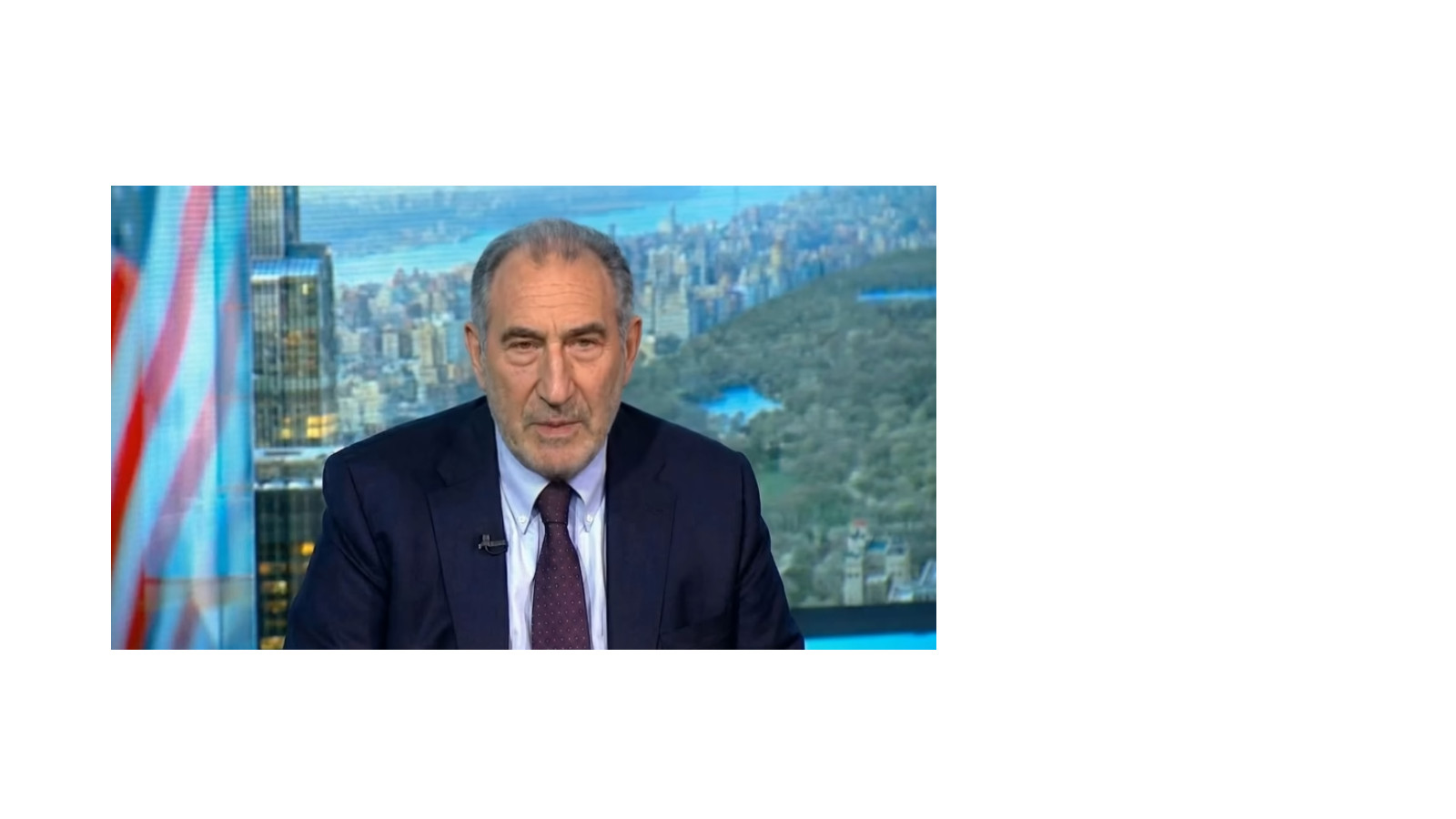
Original article: https://www.youtube.com/watch?v=nU8xyHdInjw
Stiglitz Speaks
Dec 11, 2025
646 subscribers ... 26,133 views ... 1.5K likes
Donald Trump’s tariff threat against Canada has sparked an agricultural crisis. In this video, Nobel Prize-winning economist Joseph Stiglitz breaks down the high-stakes showdown between Ottawa and Washington, revealing why the threat to tax Canadian Potash is backfiring spectacularly on American soil.
With fertilizer prices already volatile, a trade war on potash threatens to skyrocket costs for American farmers, leading to widespread outrage in the Corn Belt. We analyze how Canada is defying these threats, the economic reality of the fertilizer supply chain, and what this means for global food prices.
📺 In This Video:
- The Potash Predicament: Why this specific mineral is the 'Achilles heel' of the proposed tariffs.
- Stiglitz’s Analysis: The Nobel Laureate explains the basic economics of trade wars and why consumer costs inevitably rise.
- Farmers in Crisis: Why the agricultural lobby is turning against the tariff proposal.
- Canada’s Leverage: How Justin Trudeau and Canadian officials are utilizing the US reliance on northern fertilizer imports.
- Potash Fertilizer Prices
- Trump Tariffs Explained
- Joseph Stiglitz Economy Interview
- Impact of Tariffs on Farmers
This video features original commentary, reaction, and analytical narrative intended for educational and critical review purposes. All content is protected under Fair Use (17 U.S.C. §107).
AI-assisted narration or visuals may be used to enhance production quality and clarity. These tools are used strictly for creative presentation and storytelling, never to impersonate real individuals or deceive viewer Rewrite this want to include this in every video of mine on youtube.
How this was made
Altered or synthetic content
Sound or visuals were significantly edited or digitally generated. Learn more
Peter Burgess COMMENTARY
Peter Burgess
Transcript
- 0:00
- Uh, when you hear that a president is
- threatening tariffs on fertilizer, it
- probably sounds like one more chapter in
- an endless trade war drama. Another
- headline, another podium, another
- promise to be tough. Uh, but if you look
- just beneath the surface of this
- particular threat to slap severe tariffs
- on Canadian potach, uh, the fertilizer
- that literally feeds North American
- fields, you find something very
- different. You find an economy quietly
- sawing at the branch it is sitting on.
- You find um a policy that looks strong
- on television but is dangerously weak
- when you trace who actually pays the
- bill. And if you work in farming, in
- food processing, in rural services, or
- you simply buy groceries every week, you
- are much closer to that bill than you
- might think. Let me start with the uh
- basic storyline. The United States
- imports a a large share of the potach it
- 1:00
- uses as fertilizer. A huge portion of
- that comes from Canada, especially from
- the province of Saskatchewan, which sits
- on some of the richest potach deposits
- in the world. Potach is not a luxury
- input. It is one of the core nutrients
- that makes modern yields of corn,
- soybeans, wheat, and many other crops
- possible. Without it, fields do not just
- produce a little less. Uh over time,
- they become exhausted. So when a
- president says that he is ready to put
- very severe tariffs on fertilizer
- imports and then points specifically to
- Canada as the source, he is not poking a
- minor supplier. He is threatening the
- main artery of the American fertilizer
- system and with it the cost structure of
- American agriculture. Now, if you are
- listening to this and you are a farmer,
- you do not need me to explain what
- happens when input costs spike.
- Fertilizer is not a side item on your
- 2:00
- budget. It can be one of the single
- largest costs in a growing season. A
- jump of even a modest amount per ton
- once you scale it over hundreds or
- thousands of acres eats straight into
- your margins. Many farms today are
- already surviving on thin lines of
- credit and volatile commodity prices. A
- policy that deliberately raises the
- price of a crucial input is not a casual
- experiment. It is a direct hit on your
- livelihood. And here is the twist that
- almost never gets mentioned in the
- speeches. The Canadian companies
- exporting uh potach to the United States
- have other buyers waiting. Uh emerging
- economies in Asia, major agricultural
- producers in Latin America and markets
- across Europe are all looking for stable
- fertilizer supply. If you make potach
- more expensive for American buyers
- through tariffs, Canada does not
- collapse. It diversifies.
- 3:02
- To understand why this is so lopsided,
- you have to think in terms of geology
- and institutions rather than slogans.
- The United States cannot simply decide
- to become a major potach producer next
- year because it wishes it. Mineral
- deposits are not created by press
- conference. Building a new mine, even if
- you have the resource, takes years of
- exploration, investment, infrastructure,
- and regulation.
- Canada spent decades treating potach as
- a strategic asset. It built rail lines,
- ports, pipelines, regulatory frameworks,
- and long-term contracts to anchor this
- sector. As a result, it sits today as
- the most reliable major supplier at a
- moment when other exporters like Russia
- and Bellarus are constrained by
- sanctions and geopolitical tensions.
- The United States, on the other hand,
- made a different set of choices. It
- allowed itself to become structurally
- 4:00
- dependent on imported fertilizer while
- telling farmers that markets would
- deliver whatever they needed at the
- right price. This is where the trade war
- language becomes so misleading. Tariffs
- are sold as tools to punish them and
- protect you. But when the thing you are
- taxing is a key input your own producers
- cannot replace, the line between them
- and you breaks down. A tariff on potach
- imported from Canada does not primarily
- land on Canadian balance sheets. It
- lands on the invoices sent to American
- farmers. It shows up in the bids they
- make for next season, in the interest
- rates their banks quote them, in the
- prices they need to charge just to break
- even. You might hear big numbers in
- Washington about new revenue that
- tariffs bring in, but each dollar of
- tariff revenue began as a higher cost
- somewhere in the real economy. In this
- 5:00
- case, very often in a rural community
- that has already been told to tighten
- its belt through every crisis of the
- last decade. You might be thinking, is
- there at least some strategic benefit
- here? some long-term gain in exchange
- for the short-term pain. The rhetoric
- suggests that by making imported
- fertilizer more expensive, the United
- States will somehow reshore production,
- encourage domestic mining, and become
- more self-reliant.
- That story would make sense if the
- bottleneck were laziness or a lack of
- patriotic commitment among domestic
- producers. It makes no sense when the
- bottleneck is geology and decades of
- infrastructure that you cannot rebuild
- overnight. The risk is that you end up
- with the worst of both worlds. You do
- not suddenly create a thriving domestic
- potach industry, but you do create a
- 6:00
- cost shock for your agricultural sector
- and then you spend public money trying
- to patch the damage through ad hoc
- support programs and bailouts. We have
- already seen a version of this movie. Uh
- when tariffs were imposed on a range of
- imports during earlier phases of the
- trade conflict, American farmers lost
- access to some of their key export
- markets, especially for soybeans. The
- government then turned around and
- announced billions in relief payments to
- compensate for the damage its own policy
- had helped cause. That money did not
- come from nowhere. It came from
- taxpayers and from future public budgets
- that could have been used for rural
- infrastructure, climate resilience,
- education or healthcare. Now, we are
- flirting with a new round of the same
- dynamic, but this time targeting the
- inputs that make the harvest possible in
- 7:00
- the first place. If you care about
- fiscal responsibility, this should
- trouble you. If you care about food
- prices, it should worry you even more.
- There is another layer here that I want
- you to see because it goes beyond one
- tariff fight. On the other side of the
- border, Canadian policymakers are
- reading the same headlines and drawing
- their own conclusions. Faced with an
- unpredictable partner that uses tariffs
- as a routine bargaining tool, they are
- doubling down on diversification. They
- are signing new trade agreements in
- Asia, deepening ties with Europe, and
- promoting themselves as a dependable
- supplier of critical minerals and
- agricultural inputs. In other words,
- they are doing for their economy what
- the United States claims to want to do
- for its own, but they are doing it
- through stability and openness rather
- than through threats. When you step
- back, you realize that a tariff on
- potach does not make North America
- stronger. It nudges Canada further
- 8:01
- toward a world where it is less reliant
- on the United States while leaving
- American farmers more exposed and more
- isolated. If you zoom out from
- fertilizer and look at the broader
- pattern, uh the same contradictions
- appear in America's wider relationship
- with Canada and the world. On one side,
- you have a White House that treats
- tariffs, defense systems, and sound
- bites about the 51st state as
- instruments of dominance. On the other,
- you have a Canadian government that has
- quietly decided it will no longer bet
- its prosperity on the moods of
- Washington. That contrast came into
- sharp focus when Prime Minister Mark
- Carney stood on the apex stage and
- announced a forthcoming visit to China.
- To many viewers, it was just another
- diplomatic headline. To anyone who
- follows global economics, it was a
- signal that Canada is repositioning
- itself as an independent strategic
- 9:02
- middle power rather than a permanent
- junior partner. The logic behind
- Carney's move is straightforward.
- Canada has paid a high price for being
- caught in the crossfire of great power
- disputes.
- When tensions with China escalated in
- the late 20110s and early 2000s and 20s,
- Canadian farmers lost billions in export
- sales. Energy projects were delayed.
- Trust evaporated. Re-engaging Beijing is
- not about naivity. It is about
- diversification.
- China is a market of 1.4 billion people
- with deep needs in food, clean
- technology, and advanced fuels.
- precisely the areas where Canada has
- comparative strengths. By normalizing
- relations and rebuilding certification
- systems and business channels, Ottawa is
- not choosing China over the United
- States. It is choosing not to be hostage
- 10:00
- to any single market. The timing
- amplifies the message. Just as
- Washington cobbles together a one-year
- tariff truce with Beijing, reducing
- average tariffs slightly while leaving
- the underlying confrontation unresolved,
- Canada steps in with a longerterm
- vision. While Washington performs crisis
- management, Ottawa works on
- architecture, trade agreements with
- Europe and the UK, new packs in
- Southeast Asia, and a deeper role in the
- Indo-Pacific economy that now drives the
- majority of global growth. That is not
- disloyalty. It is what any rational
- country does when an ally repeatedly
- uses economic coercion and public
- humiliation as negotiating tools. If you
- make your partners feel like
- supplicants, do not be surprised when
- they start building exits. This
- rebalancing is even more striking when
- you look back at the Trump Carney
- 11:00
- meetings in Washington. In front of the
- cameras, there were warm words about
- friendship and trade. Behind them was a
- simple fact. Tariffs on Canadian steel,
- aluminum, lumber, furniture, and other
- goods were driving up costs in American
- factories, construction projects, and
- households. Canadian producers suffered,
- but they adapted. Some shifted exports
- toward Europe and Asia. Ottawa provided
- targeted support. By contrast, the
- United States found its own
- manufacturers squeezed by higher input
- prices and its own consumers paying more
- at the checkout. When the US Chamber of
- Commerce and Great Lakes governors
- publicly begged for deescalation,
- they were effectively admitting what the
- administration would not. A tariff on
- Canada is in practice attacks on
- Americans. Canada's response was not to
- shout louder, but to lean on the quiet
- 12:00
- power of integration.
- Canadian capital is one of the largest
- sources of foreign investment in the
- United States. Canadian electricity
- keeps lights on in US cities and
- factories. Canadian materials are
- embedded in American cars, aircraft,
- buildings, and grids. That deep
- interdependence is not a weakness. It is
- a form of leverage.
- When a US president half jokingly tells
- Canada it can have missile defense for
- free if it becomes the 51st state. He
- reveals his own mental map. A world
- where power flows in one direction from
- Washington outward. But the real world
- is one where severing or even fraying
- crossber links comes at an enormous cost
- to both sides and increasingly to the
- United States itself. This is why the
- rhetoric of national greatness and the
- reality of policy outcomes diverge so
- 13:01
- sharply. Tariffs on lumber and furniture
- meant to revive American industry
- instead raised the price of building
- homes and furnishing them. Aggressive
- posturing over defense systems and
- territorial jokes stirred applause at
- rallies, but signaled to allies that
- American guarantees came with a
- permanent threat of economic punishment.
- Meanwhile, Canada invested in critical
- minerals, new refining capacity, clean
- energy projects, and digital era trade
- agreements. The more Washington behaved
- like an unpredictable landlord, the more
- Ottawa behaved like a homeowner, quietly
- paying down debt, renovating, and adding
- extra doors to the house. From the
- perspective of economic welfare,
- especially in rural and working-class
- communities, this path is dangerous.
- Tariffs on potach, on lumber, on
- manufactured goods, do not occur in
- 14:00
- isolation. They stack. Each one adds a
- few dollars here, a percentage point
- there, until farmers, builders, small
- manufacturers, and lowincome consumers
- are all carrying the cumulative burden.
- The same administration that promises to
- stand with forgotten communities ends up
- taxing their inputs, destabilizing their
- export markets, and then offering
- temporary relief checks when the damage
- becomes politically unbearable.
- That is not a strategy. It is a
- recurring pattern of self-inflicted
- crisis and partial compensation. There
- is an alternative. You can treat allies
- like genuine partners, not props or
- targets. You can recognize that in a
- world of climate change, geopolitical
- fragmentation, and fragile supply
- chains. Reliability is itself a
- strategic asset. Canada has understood
- this and is trying to build a reputation
- as the dependable supplier of
- 15:00
- fertilizer, energy, food, and critical
- minerals. The United States could choose
- to anchor a North American growth
- strategy around that reliability,
- coordinating on clean agriculture,
- shared infrastructure, and resilient
- industrial supply chains. Instead, uh
- too often it chooses to weaponize
- interdependence for short-term political
- theater. In the end, the question is not
- whether tariffs sound tough or polls
- move for a news cycle. The question is
- who ends up more secure, more
- prosperous, and more influential 10
- years from now. A country that taxes its
- own farmers fertilizer, its own facto's
- inputs, and its own consumers furniture
- in the name of punishing its closest
- neighbor is not acting from strength. It
- is acting from confusion. A country that
- takes those shocks and uses them to uh
- diversify
- uh build new partnerships and deepen its
- 16:00
- credibility is playing a longer smarter
- game on potach on trade with Asia on
- critical minerals. The pattern is the
- same. The louder Washington shouts the
- more carefully Ottawa plans. And in a
- world where stability and trust are
- increasingly scarce, it is often the
- quiet strategist, not the loudest voice,
- who ends up shaping the future. If you
- want to understand how this moment fits
- into the broader trajectory of North
- American politics, look closely at what
- is happening inside the United States as
- these tariff battles drag on. Um, the
- more Washington leans on threats, the
- more it exposes a deeper vulnerability,
- the assumption that America can act
- unilaterally without meaningful
- consequences at home. That belief might
- have worked decades ago when the US
- economy was less dependent on global
- supply chains and when allies had fewer
- options. It does not work in a world
- 17:01
- where production networks, energy grids,
- and investment flows are tightly woven
- across borders. The United States can
- still issue commands, but it cannot
- command outcomes. Trump's tariffs on
- lumber, furniture, steel, uh, aluminum,
- and now the potential strike against
- Canadian pod ash were originally framed
- as tools to revive American
- manufacturing and strengthen national
- security. But as time passed, a
- different pattern emerged. These
- policies hit American households,
- American contractors, American farmers,
- and American small businesses long
- before they touch the structural
- competitiveness of any foreign industry.
- That gap between intention and impact
- has quietly reshaped the political map.
- Rural counties that once formed the core
- of Trump's electoral strength now carry
- the weight of higher fertilizer prices,
- 18:01
- disrupted export markets, and volatile
- input costs. Industrial states struggle
- with more expensive materials, forcing
- factories to delay hiring or reduce
- shifts. and suburban families already
- stretched by housing, groceries, and
- child care are paying more because
- tariffs ripple through every stage of
- the supply chain. Meanwhile, Canada has
- taken those same shocks and turn them
- into catalysts. Each tariff becomes
- another justification for
- diversification. Each diplomatic slight
- becomes another reason to deepen ties in
- Asia and Europe. Each threat accelerates
- the shift toward Canadiancont controlled
- supply chains in critical minerals,
- energy storage, agricultural inputs, and
- green manufacturing. This is not
- defiance. It is adaptation and it is
- increasingly effective. Uh while
- Washington tries to pull its partners
- into narrower, more transactional
- 19:02
- relationships, Ottawa is building the
- next layer of its global identity. a
- country small enough to remain flexible
- but large and stable enough to matter.
- To some observers, Trump's boldest
- statements like the suggestion that
- Canada could join the US as a 51st state
- in exchange for access to America's
- missile defense system might sound like
- political showmanship, but the
- underlying message lands very
- differently for Canadians. It reinforces
- a perception that Washington no longer
- sees Canada as an equal partner, but as
- a territory whose loyalty must be tested
- and whose autonomy can be bargained
- away. Far from intimidating Canada, this
- rhetoric accelerates the very outcome
- Trump does not want. a more independent
- Canadian foreign policy that looks less
- like an extension of US strategy and
- more like a confident middle power
- charting its own course. Inside Canada,
- 20:02
- this shift has produced something
- unusual. Unity. Business leaders,
- provincial premers and even opposition
- politicians who normally disagree on
- nearly everything have rallied around
- the need to protect Canada's economic
- sovereignty. The reason is simple. They
- all see what the data shows. Canada's
- integration with the US economy runs so
- deep that defending national interests
- requires calm, disciplined, long-term
- thinking, not reactive nationalism.
- Mark Carney embodies that approach. He
- does not match Trump's energy with
- counter theatrics. He does not escalate
- with louder threats. Instead, he plays
- the slow game, strengthening supply
- chains, reinforcing alliances, courting
- foreign investment, and presenting
- Canada as the dependable partner in an
- unpredictable world. Step back and the
- contrast could not be sharper. Trump
- 21:02
- speaks of dominance. Carney speaks of
- resilience. Trump measures victory in
- headlines. Carney measures it in
- stability. Trump seeks leverage through
- disruption. Carney finds it in
- integration. And that distinction
- matters because global power is
- increasingly defined not by the ability
- to shock markets but by the ability to
- reassure them. Investors flee
- volatility. Multinationals choose
- predictable jurisdictions. Food security
- planners prioritize reliable suppliers.
- In each of these arenas, Canada gains
- stature every time the US uses tariffs
- as a megaphone. The Golden Dome missile
- defense announcement is a perfect
- illustration of the moment. The United
- States wanted to showcase military
- supremacy and succeeded. But the real
- story happened in the margins. Canada
- expressed interest because defense
- integration with the US has been a
- 22:01
- pillar of security for decades. Yet
- rather than deepening that cooperation,
- Trump turned the inquiry into a
- bargaining chip wrapped in a joke about
- annexation. What should have been an
- opportunity to strengthen trust instead
- became another reminder that
- Washington's commitments are
- conditional, transactional, and tied to
- political spectacle. And so, North
- America moves forward with two very
- different philosophies of leadership.
- One is loud, improvisational, driven by
- pressure tactics and short-term gains.
- The other is quiet, methodical, driven
- by diversification and long-term
- insurance. You do not need to be an
- economist to see which one is creating
- openings and which one is creating
- risks. As the next chapters unfold,
- whether on fertilizer, minerals, energy
- or trade with Asia, the center of
- gravity and the relationship is shifting
- not dramatically, not explosively, but
- steadily. And uh that is the irony.
- 23:02
- Tariffs meant to assert American
- strength are instead accelerating the
- emergence of a more autonomous Canada,
- one less dependent on Washington and
- more engaged with the world. A policy
- designed to tighten control is nudging
- the neighbor toward independence. A
- trade war launched to force concessions
- is teaching Canada exactly how to thrive
- without them. It is a transformation
- unfolding in real time. And whether
- policymakers in Washington acknowledge
- it or not, it will shape the future of
- North American politics long after the
- tariff headlines fade. In the end, this
- entire dispute reveals something larger
- than fertilizer, tariffs, or diplomatic
- theater. It shows two countries moving
- in different directions. One grasping
- for leverage through confrontation, the
- other gaining leverage through
- steadiness. If the United States chooses
- 24:00
- to tax the very inputs its farmers rely
- on, the consequences will fall not on
- foreign rivals, but on its own rural
- heartland. And if Canada continues
- responding with patience,
- diversification, and strategic calm, it
- will keep strengthening the very
- independence Washington never intended
- to encourage. The truth is simple. Trade
- wars do not rewrite geology. They do not
- rebuild supply chains, and they do not
- bend allies into submission. They only
- expose who has prepared for the future
- and who is still shouting at the past.
- As this chapter closes, the lesson is
- unmistakable. Power built on disruption
- fades quickly, but power built on
- stability lasts.