
Date: 2026-03-06 Page is: DBtxt003.php txt00029282
CANADA
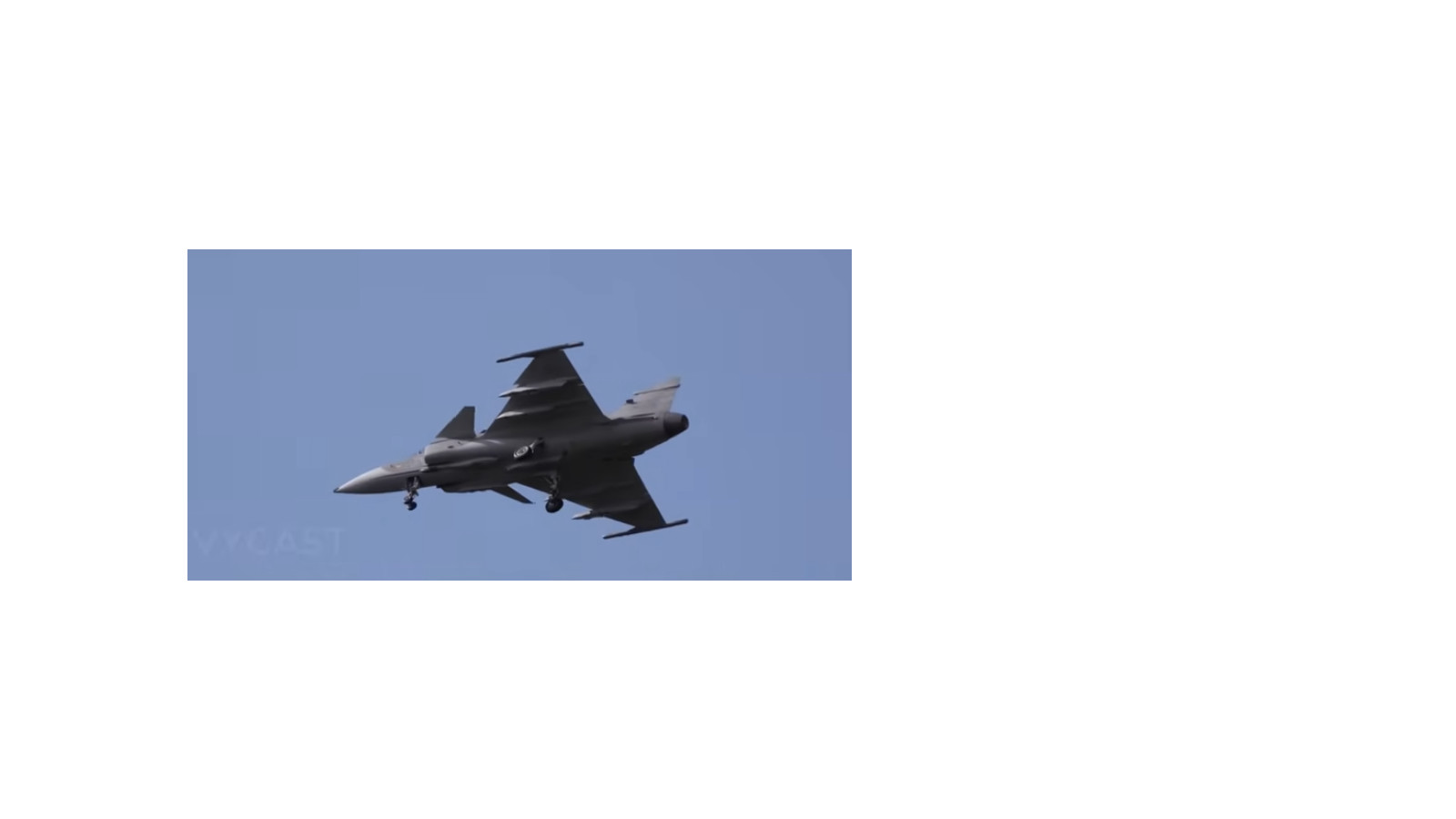
GRIPEM -V- F35 FOR CANADA ... NavyCast
NATO IN SHOCK ... Canada Leaning Toward 88 Gripens Over the F35 Program!
GRIPEM -V- F35 FOR CANADA ... NavyCast
NATO IN SHOCK ... Canada Leaning Toward 88 Gripens Over the F35 Program!
Original article: https://www.youtube.com/watch?v=xfL786LrRlA
NavyCast
Dec 10, 2025 HOA KỲ
1.81K subscribers
#gripen #canadadefense #rcap
The decision facing Canada's next fighter jet procurement is a seismic strategic move that will define the RCAF for decades. Forget past assumptions: Ottawa is seriously weighing the acquisition of 88 Swedish Gripen E/F jets over the F-35, a choice that maximizes Canadian autonomy and Arctic defence capability. This deep military analysis breaks down why the Gripen offers unparalleled value, prioritizing cost-efficiency and true technological sovereignty for Canada.
We delve into the Gripen's proven Arctic operability, its ability to fly more hours for less cost, and the massive industrial and jobs benefits that anchor high-tech maintenance right here in Canada. This is about national pride and strategic independence. This potential choice signals a new, mature era of Canadian defence policy, compelling NATO and the US to recalibrate their Northern strategies.
If you’re a proud Canadian who believes in securing our North and bolstering our domestic aerospace sector, this analysis is essential viewing.
Join the conversation! Do you support this move toward the Gripen? Like this video and subscribe for more insightful military analysis on Canada's defence future!
#gripen #canadadefense #rcap #arcticsecurity #militaryanalysis
How this was made
Altered or synthetic content
Sound or visuals were significantly edited or digitally generated. Learn more
Peter Burgess COMMENTARY
Peter Burgess
Transcript
- 0:00
- To every Canadian who cherishes our
- independence, our vast geography, and
- the immense potential of our nation, we
- stand at a pivotal moment. The decision
- currently facing Ottawa regarding the
- future of the Royal Canadian Air Force,
- ARAF, is not merely a bureaucratic
- procurement exercise. It is a
- foundational choice that will define
- Canada's strategic posture for the next
- decades. This bold consideration to
- acquire 88 Swedish Griffin E F fighter
- jets instead of the widely assumed F-35
- is sending necessary and powerful shock
- waves through established circles. And
- it is a development every proud Canadian
- should view with optimism and genuine
- national pride. This is a story about
- the maturation of Canadian defense
- policy, putting our unique national
- interests, especially the protection of
- our northern frontiers squarely at the
- forefront of national strategy. We
- recognized that for many years the
- default assumption within NATO was that
- 1:00
- Canada would remain committed to the
- F-35 track. Our history of partnership
- is deep, cemented by our status as a
- core NORAD and NATO partner and
- underscored by the billions Canada
- invested in the F-35's development. This
- long-standing alignment reflects a
- strong commitment to alliance
- interoperability. Yet, the strategic
- dialogue has shifted dramatically. The
- emergence of the Grippen EF as a truly
- viable contender signifies a profound
- strategic realization. Being a core
- partner means making the smartest, most
- operationally effective choice for our
- distinct environment and unique defense
- challenges. The F-35 remains central to
- many joint missions globally, but the
- Grippen E F delivers a combination of
- operational superiority and economic
- sovereignty perfectly calibrated for
- Canada. This includes its notably lower
- cost profile, its specific engineering
- for high Arctic operability, the
- 2:00
- profound offer of deep tech transfer,
- and the promise of massive anchoring
- industrial benefits for Canada. Should
- Canada move forward with this choice,
- the reported shock within the alliance
- is less a sign of friction and more a
- recognition of Canada's elevated
- strategic confidence. This isn't a
- whimsical rejection of standardization.
- It is a responsible and professional
- determination that our national defense
- needs demand a tailored self-reliant
- solution. The Grippen E F's compelling
- case rests upon four intertwined pillars
- of national interest. Economic
- operational, technological, and
- industrial, which when viewed
- holistically paint a picture of a
- smarter, stronger, and more sovereign
- air force for the future. Let's first
- address the intertwined necessities of
- national defense, operational
- excellence, and economic wisdom. The
- Grippen's inherent design offers a
- profound advantage in cost
- effectiveness. We understand that
- 3:02
- fighter jet acquisition costs are only
- the beginning. The long-term operational
- costs are what truly constrain an air
- force's capabilities. The F-35, while
- sophisticated, presents high operational
- expenses. By contrast, the Grippin's
- lower maintenance and operational costs
- are not merely budget advantages. They
- are direct operational multipliers.
- Lower cost per flight hour translates
- directly into the ability for the RCAF
- to achieve more flight hours annually
- for training readiness and most
- critically for patrols. This maximized
- flight time is essential for effectively
- monitoring and securing the second
- largest landmass in the world. This
- strategic depth achieved through
- financial prudence ensures we are
- maximizing utility for every dollar
- spent by the Canadian taxpayer. a
- hallmark of responsible governance. This
- economic pragmatism is inseparable from
- the unique challenge of the Canadian
- 4:01
- North, driving the decision toward an
- aircraft built specifically for the
- mission, Arctic suitability. The Grippen
- was not simply adapted for cold weather.
- It was deliberately designed for
- Scandinavian winters, environments that
- mirror the extreme and unforgiving
- conditions across our own Northern
- Territories. This pedigree guarantees
- resilience against the elements.
- Features like robust cold start engines
- and advanced ice resistant systems mean
- the Grippin can operate consistently and
- reliably where other jets might struggle
- or require extensive costly preparation.
- Furthermore, its demonstrated ability to
- operate effectively from short, remote
- runways, often dispersed or
- semi-prepared strips common across the
- vast Canadian north, is a tactical
- necessity that ensures the RCAF can
- project power and maintain presence
- without dependence on massive, fixed,
- and vulnerable infrastructure. This
- capability guarantees operational
- resilience and flexibility essential for
- 5:02
- the future of our northern defense arc.
- We are choosing a fighter jet that is
- quite literally engineered to belong in
- the Canadian North, providing a decisive
- edge in the rapidly evolving strategic
- theater of the Arctic. Building upon
- this operational and economic synergy is
- the paramount goal of sovereignty and
- technological control, the cornerstone
- of our national confidence. For too many
- years, Canada has accepted operational
- restrictions tied to foreign platforms
- that limit our capacity for innovation
- and rapid response. The Grippin choice
- represents liberation in the digital age
- of warfare. It guarantees full access to
- software and source code, a level of
- technological self-determination that is
- unprecedented in recent Canadian defense
- history. This means the RCAF gains the
- full freedom to integrate Canadian
- weapon systems, ensuring that our
- armament is precisely tailored to our
- strategic needs and domestic industrial
- 6:00
- capacity. Moreover, the proposal
- includes provisions for Canada assembly
- in country, fostering a deep
- technological understanding and skills
- transfer among our aerospace workers. We
- are choosing a platform that allows us
- to perform necessary software upgrades
- and maintenance without external
- approvals or political delays, giving
- Canadian engineers and strategists
- direct control over the evolutionary
- path of their fleet. This is not just
- technology transfer. It is a profound
- investment in Canadian intellectual and
- industrial capital. This is the act of a
- mature nation taking charge of its own
- defense destiny, ensuring that our
- security is entirely within our control.
- This technological independence is
- directly amplified by the final crucial
- pillar, the extraordinary industrial and
- economic incentives offered by Saab.
- This procurement is structured not as a
- simple one-time purchase, but as a
- long-term partnership that fundamentally
- 7:01
- creates and anchors national capacity.
- Saab has committed to providing massive
- offsets and deep industrial involvement,
- a commitment that directly translates
- into thousands of Canadian jobs and a
- deliberate strategy for sustainable
- aerospace ecosystem development. These
- are high value, high techch, sustainable
- jobs that will anchor innovation in our
- cities for the next decades. The deal
- includes crucial commitments to
- long-term export and upgrade
- capabilities managed and executed from
- Canada, ensuring that the economic
- benefits remain internal. This strategic
- intersection of national security and
- economic prosperity where our defense
- dollars create deep lasting value at
- home marks Canada's first major sign of
- independent defense decision-making
- outside the traditional spheres of
- control. A move that every Canadian
- should hail as a triumph of strategic
- foresight. We are choosing to build
- prosperity and security simultaneously,
- setting a new global standard for
- 8:00
- defense procurement. As Canada asserts
- this independence, the reaction within
- the alliance, though perhaps initially
- quiet, is a testament to the magnitude
- of the decision. While concerns around
- interoperability questions naturally
- arise, namely how Grippen will integrate
- with established NATO data links and
- command systems and how non US weapons
- will operate alongside allied forces.
- These are technical hurdles that a
- capable nation like Canada working
- closely with Sweden and NATO can
- definitively overcome through proactive
- planning and investment. This choice
- signals profoundly that alternatives to
- American jets are viable, functional,
- and strategically sound. A crucial
- strategic signaling that opens pathways
- for other NATO nations facing similar
- fiscal and geographical pressures. The
- decision immediately forces NATO
- planning adjustments, requiring the
- alliance to account for new logistics
- and spare parts integration, a healthy
- pressure that promotes greater
- 9:01
- flexibility and resilience across the
- northern defense perimeter. The
- unexpected yet strategic role of Sweden
- now formally joining NATO is further
- solidified, cementing it as a critical
- supplier and reinforcing the northern
- flank of the alliance. This strategic
- realignment is a powerful evolution of
- our alliances, ensuring that the
- pressure exerted by Washington, ranging
- from diplomacy to threats of industrial
- leverage through reallocation of F-35
- work packages, cannot overshadow the
- deep tangible benefits of this choice
- for Canadian security. This is not a
- political crisis, but a strategic
- evolution that compels our closest
- partner to acknowledge and respect
- Canada's mature, sovereign
- decision-making process. The selection
- of the Grippen, therefore, is far more
- than a procurement choice. It is the
- strategic realization of an air force
- that is prepared, equipped, and legally
- autonomous to defend the unique
- 10:00
- challenges of the Canadian nation. A
- decision that ensures the prosperity and
- security of our future for the next 50
- years. Continuing the deep military
- analysis begun in part one, Canada's
- potential selection of the 88 Griffin EF
- jets represents not just a change in
- hardware, but a fundamental and
- necessary transformation of the Royal
- Canadian Air Force RCAF itself. This is
- a strategic metamorphosis that promises
- increased operational readiness,
- technological self-reliance, and an
- enhanced role for Canada in the global
- defense architecture, particularly in
- the pivotal Arctic theater. The benefits
- are layered, ensuring that the RCAF
- becomes more agile, resilient, and
- perfectly optimized for the unique and
- challenging defense demands of the 21st
- century. One of the most immediate and
- 10:50
- profound operational consequences of
- this decision is the guaranteed
- enhancement of Canadian readiness. As
- established in the analysis of part one,
- the inherent advantages of the Grippin's
- 11:01
- lower operational and maintenance costs
- translate directly into the capacity for
- the RCAF to secure more flight hours per
- year. for an air force charged with
- constant vigilance across the second
- largest nation on Earth, particularly in
- the vast, often unpopulated expanses of
- the North. Maximizing airtime is a
- non-negotiable requirement for effective
- deterrence, pilot proficiency, and
- sustained situational awareness. More
- hours mean better trained personnel,
- increased familiarity with diverse and
- challenging operating environments, and
- a robust sustainable security presence
- where it matters most to Canadian
- sovereignty. This quantitative increase
- in readiness is crucial for effective
- patrolling and response across the
- immense territories stretching from the
- temperate south to the high Arctic. This
- is not simply an accounting advantage.
- It is a direct investment in the
- proficiency and operational muscle of
- the RCAF. The ability to keep more
- 12:02
- aircraft in the air for longer periods,
- ensuring our pilots maintain peak
- proficiency across the vast and varied
- Canadian airspace underscores a
- fundamental principle of effective
- defense. Accessibility and availability
- trump maximum theoretical capability.
- This enhanced capability is
- synergistically complemented by the
- Grippen's design philosophy, emphasizing
- faster maintenance cycles. The
- aircraft's modular construction allows
- for rapid turnaround times, drastically
- reducing the amount of time aircraft are
- grounded, awaiting complex specialized
- parts or personnel. This operational
- efficiency is critical for modern
- warfare where sustained output is key.
- It means less reliance on massive fixed
- support infrastructure that is
- vulnerable to attack or difficult to
- sustain in remote northern locations and
- less dependency on external supply
- chains for critical maintenance
- components. The ARAFE gains enhanced
- 13:00
- tactical flexibility essential for
- dispersed operations across remote
- sites. This resilience ensures that
- Canada can sustain operations
- independently and effectively,
- bolstering both national security and
- our integrated contribution to NORAD.
- The capacity for rapid repair and
- redeployment is a strategic asset in any
- large-scale sustained operation,
- particularly in the unforgiving cold and
- logistical challenges inherent to the
- Arctic domain. This focus on maximizing
- the time an aircraft is operational
- speaks directly to the core principles
- of military analysis that prioritize
- persistent and reliable presence over
- intermittent costly deployment. The
- strategic independence gained through
- the Griffin platform is perhaps the most
- valuable commodity for a modern nation
- seeking absolute control over its
- high-tech defense apparatus. This
- independence is secured through the
- promised deep tech and weapons
- independence. Unlike platforms that
- subject the user to complex political
- 14:00
- and technological controls from the
- original supplier, the Grippen's open
- architecture allows Canada the crucial
- ability to integrate domestic or allied
- weapons freely. This is a profound
- strategic advantage allowing the RCAF to
- precisely tailor its armament to
- specific northern or maritime threats
- utilizing the best available Canadian,
- European or non US allied systems
- without external restriction. This
- flexibility is key to meeting evolving
- threats without bureaucratic delay.
- Crucially, the capacity to perform
- software upgrades without US approval
- ensures that the RCAF can evolve its
- electronic warfare suites, sensor
- fusion, and mission management systems
- at the speed of emerging threats rather
- than being constrained by the political
- or bureaucratic timelines of a foreign
- supplier. The freedom to integrate next
- generation technologies including AI
- based mission planning and advanced data
- links immediately transforms the ARAFE
- 15:01
- into a truly autonomous, flexible and
- Arctic optimized force capable of
- dispersed operations and independent
- strategic decisionmaking in real time.
- This is the definition of technological
- self-determination,
- ensuring our defense capabilities remain
- relevant and controlled entirely by
- Canadian interests. This level of
- self-control is what distinguishes a
- mature defense power from a mere
- customer. The technological transfer is
- not superficial. It involves deep
- intellectual capital. The Canadian
- industry, including aviation and tech
- universities and startups, stands to
- gain immensely as domestic expertise is
- developed to handle the full life cycle
- of the aircraft from assembly and
- integration to advanced maintenance and
- future modifications. This strategic
- investment is a vital engine for
- long-term economic growth, anchoring
- long-term maintenance and upgrades in
- Canada, creating thousands of high
- value, sustainable jobs within our
- 16:00
- borders. This economic multiplier effect
- ensures that defense spending cycles
- back into the national economy,
- reinforcing our industrial base while
- securing our skies. Canada secures
- strategic independence and economic
- benefits simultaneously.
- a virtuous cycle that maximizes the
- return on national investment and
- fosters a domestic aerospace ecosystem
- capable of supporting future national
- security requirements. Looking beyond
- our borders, the global reaction to
- Canada's decision underscores its
- international significance and the power
- of its strategic signaling. Europe is
- watching closely, recognizing that the
- selection of the Grippen provides
- powerful validation for European
- alternatives to the F-35. This is a
- crucial market signal that encourages
- competition and diversity within NATO's
- supply chain, ultimately benefiting all
- allied nations by preventing vendor
- lockin and driving down long-term costs.
- Countries like Hungary, the Czech
- Republic, and Finland nations balancing
- 17:01
- NATO interoperability with regional
- defense autonomy and fiscal
- responsibility will inevitably
- reconsider future jet options based on
- Canada's successful rigorous analysis.
- This bold move by Canada has the
- potential to shape future joint
- procurement strategies globally, moving
- the defense sector toward greater
- flexibility and customized solutions
- rather than monolithic standardization.
- Furthermore, this decision significantly
- enhances the role of Sweden, a new NATO
- member, elevating it as a critical
- defense supplier and reinforcing its
- influence in NATO defense planning,
- particularly regarding northern and
- Arctic security strategies. The
- collaboration deepens the military and
- industrial ties along the northern
- defense arc, establishing a more robust
- integrated security architecture across
- the high latitudes. This strategic
- realignment is a powerful evolution of
- our alliances, ensuring that the
- pressure exerted by Washington, ranging
- 18:01
- from diplomacy urging caution to threats
- of industrial leverage through
- reallocation of F-35 work packages
- cannot overshadow the deep tangible
- benefits of this choice for Canadian
- security and the broader alliance's
- operational flexibility. This is not a
- political crisis. It is a strategic
- evolution that compels our closest
- partner to acknowledge and respect
- Canada's mature sovereign
- decision-making process based on
- rigorous operational analysis. The
- central implication of Canada's
- potential choice is the establishment of
- a new formalized national shift in
- defense philosophy. By choosing the
- Grippin, Canada is unambiguously
- prioritizing Arctic capability, cost
- efficiency, and true operational
- sovereignty over a singular focus on
- historical alliance alignment. This
- choice sends clear shock waves across
- NATO, not as a signal of division, but
- as a catalyst for necessary strategic
- recalibration within the alliance
- 19:01
- structure. It challenges the
- long-standing dominance of the F-35 by
- showing that a world-class purpose-built
- alternative exists that better fits
- specific national requirements. It
- elevates a specialized northern ally and
- compels the alliance to rethink
- interoperability and future procurement
- pathways that accommodate regional
- specialization, making the alliance
- stronger by making its components more
- resilient. Crucially, it directly
- reshapes how allies plan for the rapidly
- warming Arctic, establishing Canada as
- the definitive authority on cold weather
- and dispersed operations in this
- strategically vital region, thus
- enhancing our stature within the
- alliance framework. For the United
- States, this decision serves as a moment
- of recalibration. It is a firm,
- respectful assertion that even close
- partners like Canada must prioritize
- independence when faced with unique
- existential strategic needs, especially
- 20:00
- concerning its northern frontiers. The
- fundamental partnership remains robust,
- particularly through the integrated
- architecture of NORAD, but it evolves
- toward one based on mutual respect for
- sovereign strategic choice and
- transparent operational necessity. The
- transformation promised to the RCAF is
- profound and tangible. The fleet gains
- more patrol hours, faster maintenance,
- Arctic optimized performance, and the
- vital technological freedom to upgrade
- and integrate weapons without foreign
- approval. Economically, this decision
- ensures that jobs, industry, and
- long-term aerospace growth are built
- directly into the Canadian landscape,
- creating a domestic capability that will
- endure for decades. The big picture is
- clear, inspiring, and strategically
- sound. If Canada acquires the 88
- Grippins, it doesn't just modernize its
- air force. It fundamentally alters its
- role in NATO, its relationship with the
- US, and the entire defense landscape of
- 21:01
- the Northern Hemisphere. This is a quiet
- decision with transformative global
- consequences. It champions autonomy,
- sovereignty, and a reshaping of NATO
- strategy, ensuring that Canada's defense
- choices are firmly rooted in national
- interest and designed to protect our
- vast, vital, and unique territory. This
- strategic foresight ensures that the
- Royal Canadian Air Force will be
- equipped not just for today's threats,
- but for the complex, independent
- requirements of tomorrow's Canada,
- cementing our reputation as a resolute,
- self-reliant, and strategically
- brilliant nation for generations to
- come. This is a source of immense
- national pride and a landmark decision
- that secures both our skies and our
- prosperity. The choice solidifies
- Canada's position as a serious
- independent geopolitical actor capable
- of making the best strategic investments
- for its people and its long-term future.
- This defining moment where Canada
- 22:01
- asserts its right to a sovereign Arctic
- optimized defense is a powerful
- statement about who we are as a nation.
- It's about securing our north, investing
- in our future, and ensuring that our
- defense decisions benefit every single
- Canadian from coast to coast to coast.
- This strategic leap forward,
- prioritizing innovation and
- self-reliance, deserves to be heard and
- discussed. Before you go, if this
- analysis sparked your pride in Canada's
- independent vision, please give this
- video a like and hit that subscribe
- button and notification bell. Your
- support helps us deliver deep dive
- analyses on the issues that truly matter
- to our country. We want to know what you
- think of this landmark decision. The
- conversation is just starting and your
- voice is critical. How does knowing
- Canada is prioritizing Arctic specific
- operational capability make you feel
- about our national security? Do you
- believe securing technological
- independence and thousands of new
- 23:00
- Canadian aerospace jobs is the biggest
- win of this potential Griffin selection?
- What should be the next major focus for
- Canada's renewed independent defense
- strategy? Drop your thoughts and
- comments below. We read every single
- one. Thank you for being the most
- engaged audience in Canada. May your day
- be filled with strength and clarity.
- We'll see you in the next analysis.